Update 28/05/2020: Official media release on the introduction to the fleet.
Electric cars and vehicles make more and more sense, as the technology advances. The economics is now being recognized by more businesses, councils and corporations all seeking to reduce their running costs and the carbon footprint of their operations at the same time. In Western Australia we have various institutions embracing the technology.
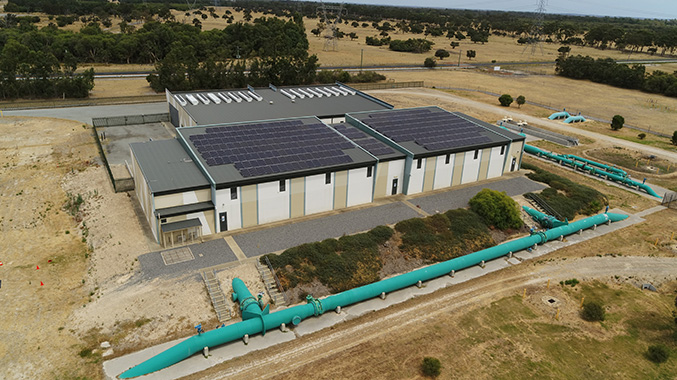
One of the most recent efforts to reduce the carbon foot print of a large company’s operation, is by the State owned water utility, the Water Corporation. Earlier this year in a media release the Minister for Water, Dave Kelly announced the Water Corporation would increase the use of renewable energy, in an effort to reduce greenhouse gas emissions.
Mr Kelly said, “It is important water utilities take every opportunity now, to lead by example and do what they can to increase the use of renewable energy, such as solar, to help reduce greenhouse gas emissions that fast-track climate change.
“I am pleased the Water Corporation is utilising its assets around the State to take positive steps to reduce its energy footprint.
“It is great to see the Water Corporation remains committed to exploring and adopting new technology to increase the use of renewable energy.”
The Water Corporation, being committed to new technology, has really become evident with the addition of 2 Hyundai Kona Electric vehicles to their fleet. Along with the 15,000kw of renewable energy these 2 electric vehicles are a step in the right direction, for the company to further reduce their greenhouse gas emissions. The Water Corporation provides water to 2.6 million square kms of our State. To service this area would contribute to a large proportion of the utilities greenhouse gas emissions and a trial of EVs in the city is a great way to kickstart the possibility of increasing the fleet of EVs to vehicles servicing regional WA.
“Water Corporation currently has 102 passenger vehicles in its metropolitan fleet, including 30 hybrid EVs. Over the next five years, the Corporation will transition up to 40 percent of its metropolitan fleet to EV as existing vehicles in the fleet are renewed.”
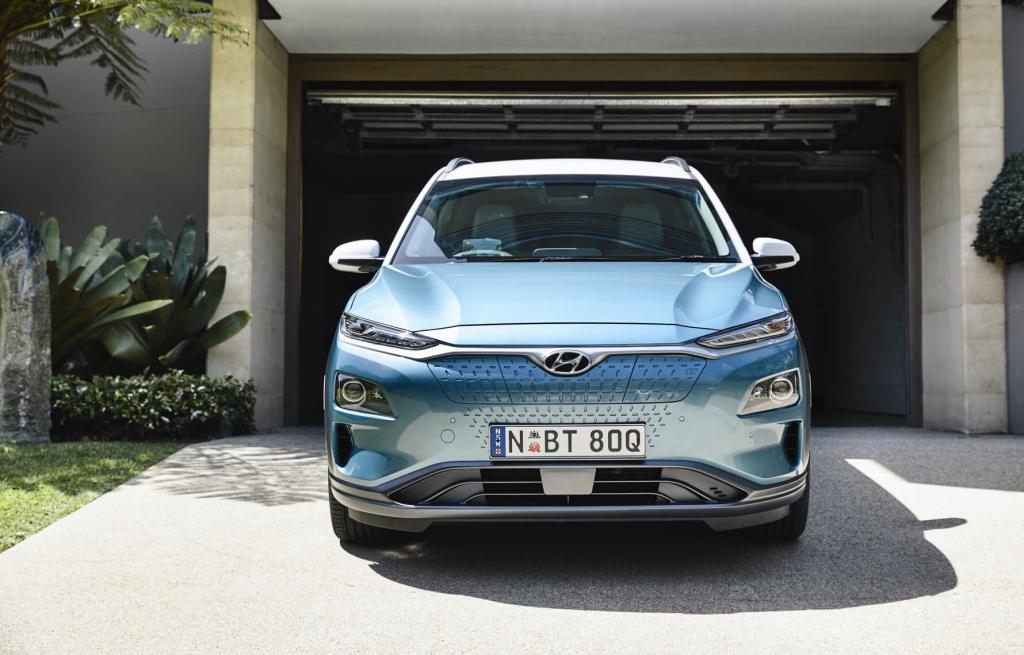
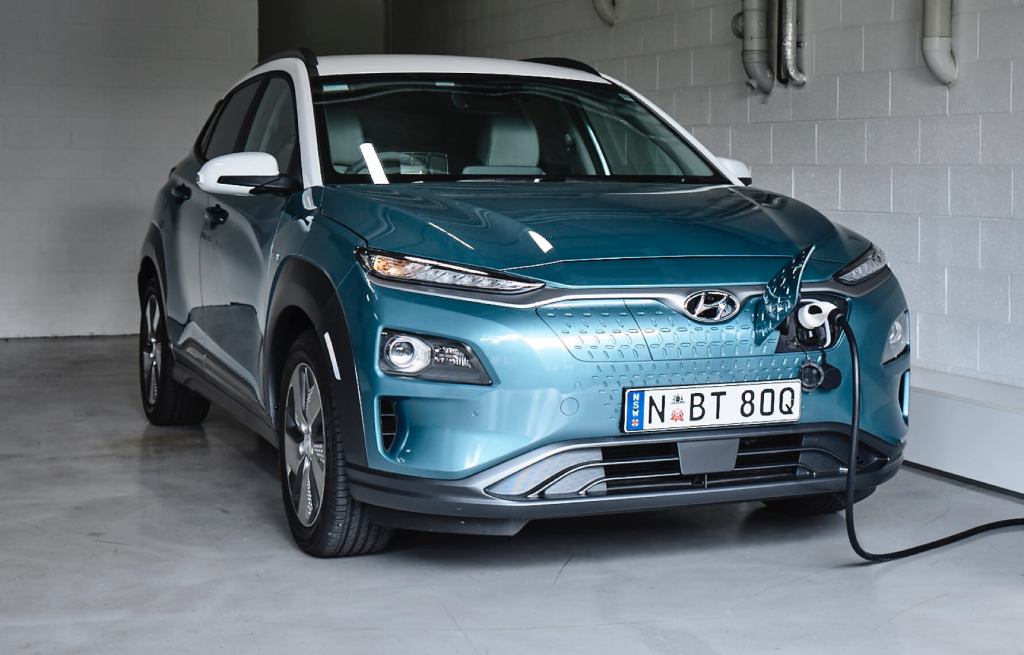
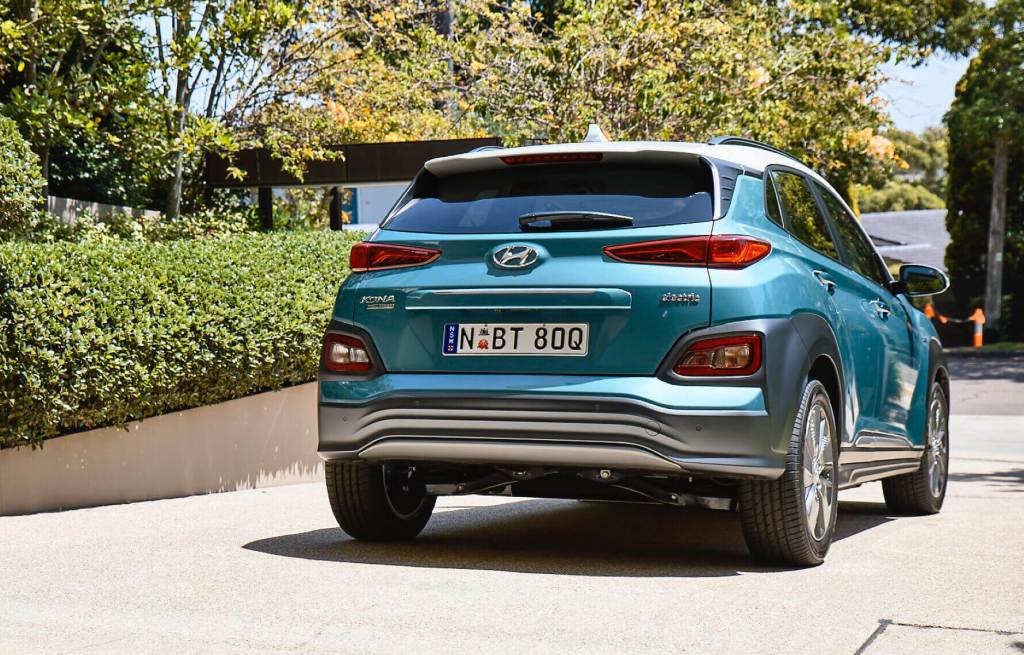
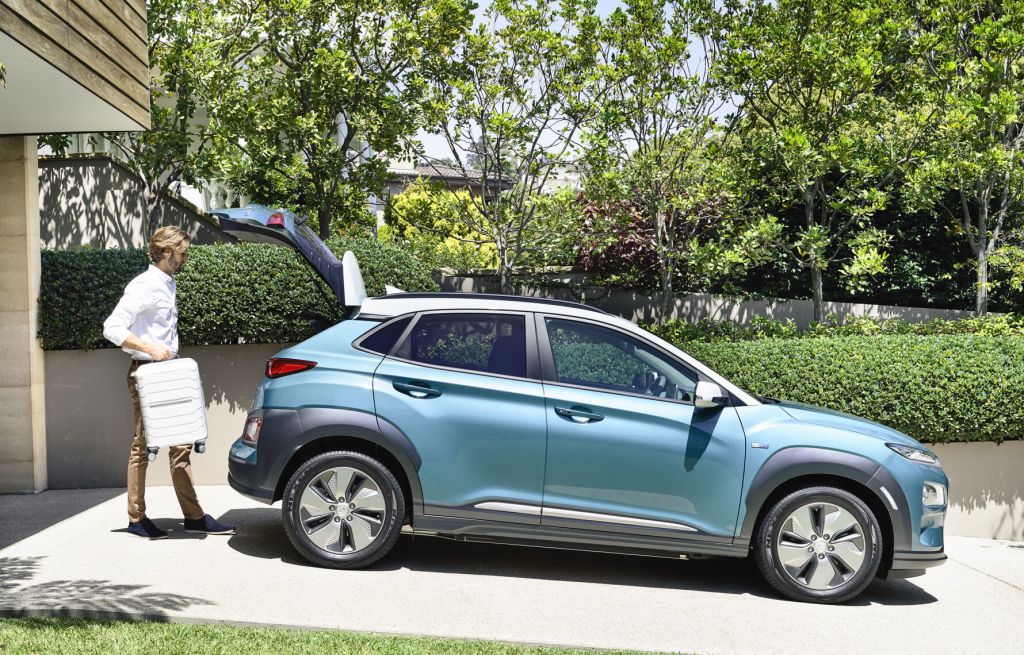
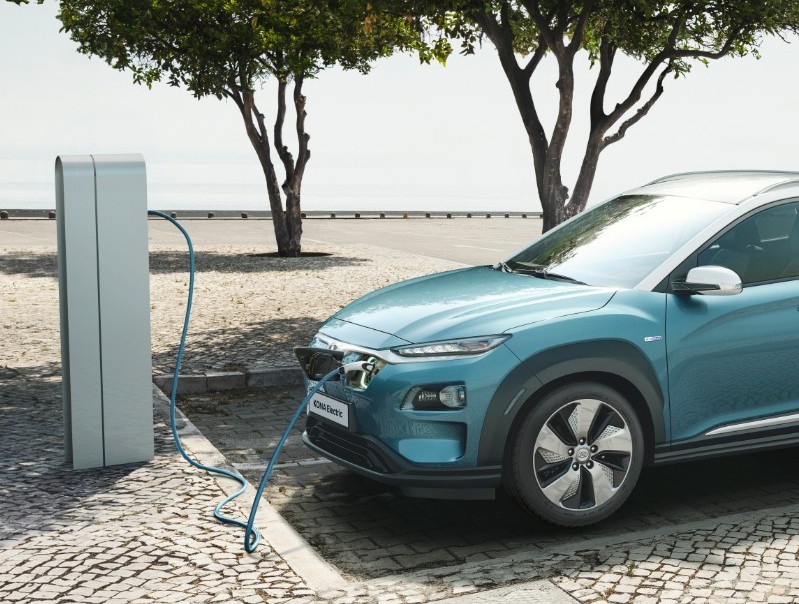
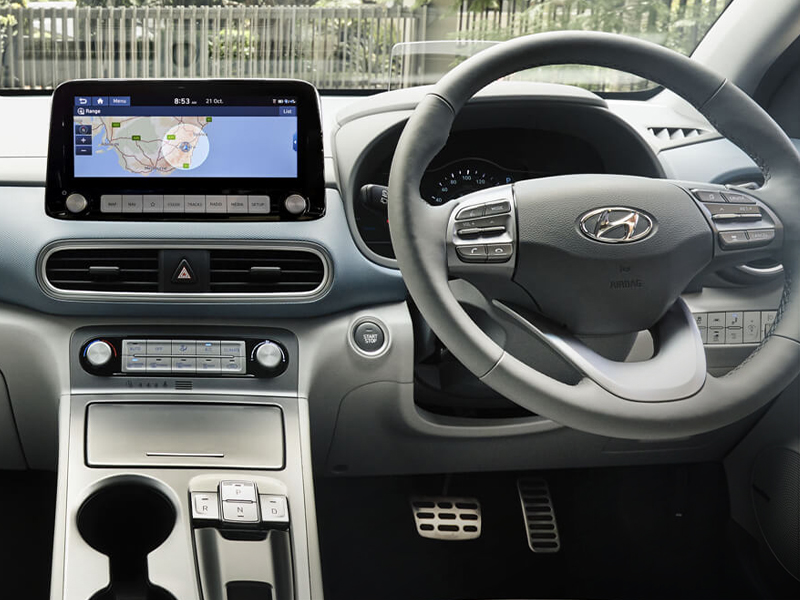
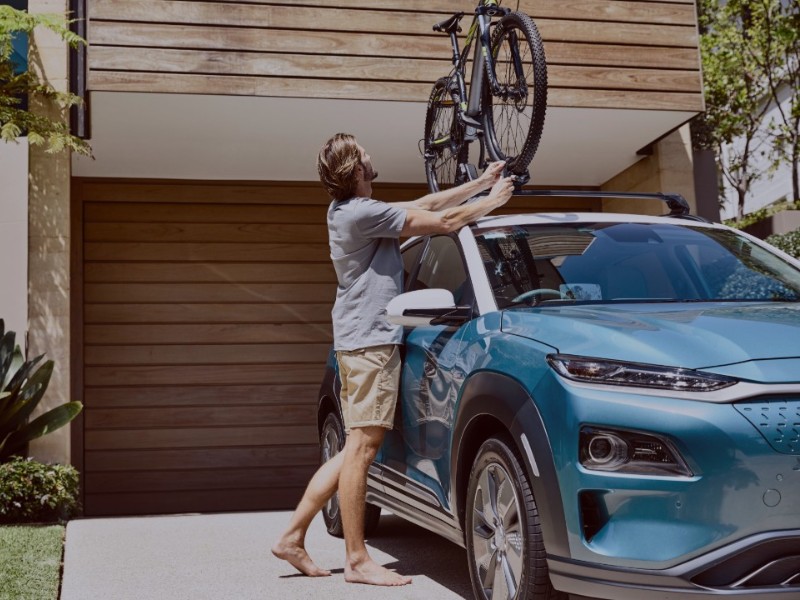
The uptake of EVs make sense for a company that is adding so much renewable energy across their sites in the regions. Powering the EVs with renewable energy is obviously the best way to fast-track the reduction of greenhouse gas emissions. The employees will also learn about the Kona Electric and how to charge and use the vehicle. As most of us who have had the opportunity to experience electric propulsion, it leaves a lasting impression and more often than not, you will get to experience the “EV grin”. This exposure will undoubtedly spark employees’ interest in the technology and potentially buy into their own EV. This will also assist the second hand market for EVs, when these 2 cars become available for sale at the end of the trial.
“At the end of each EV fleet lease, vehicles will be turned over to the second hand car market. This will assist in building the second hand EV market in Western Australia; improving affordability and stimulating demand for model availability.”
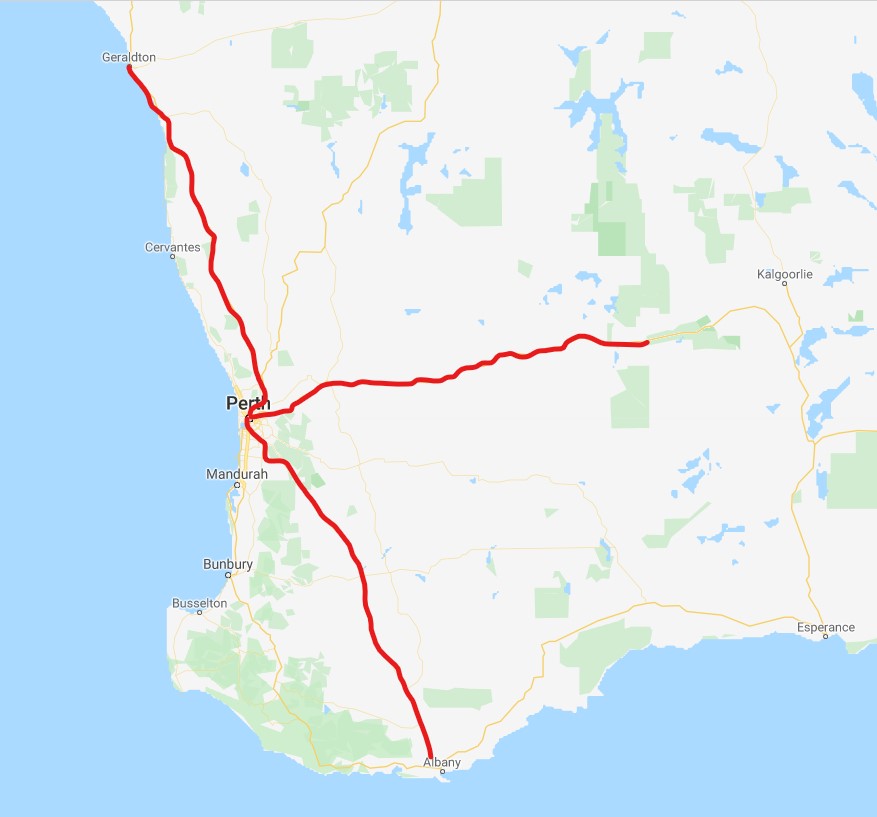
The Hyundai Kona Electric, with its 64kwh of usable power, provides it with a class leading range of 449km on the WLTP cycle. This will enable the car to travel from Perth, to as far as Geraldton in the North, to Albany in the South and to Yellowdine in the East. That would be if the conditions were perfect of course, almost 400km is often achievable in this car at highway speeds.
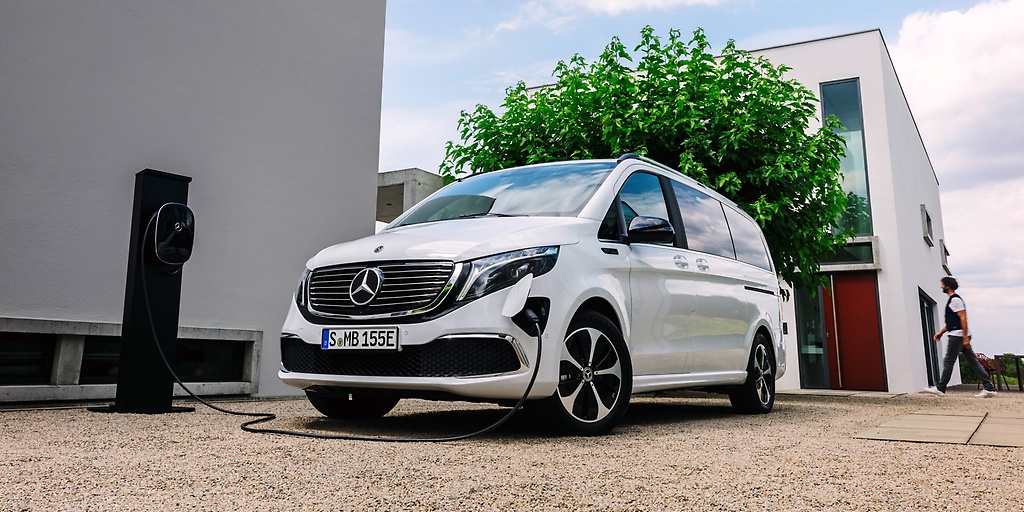
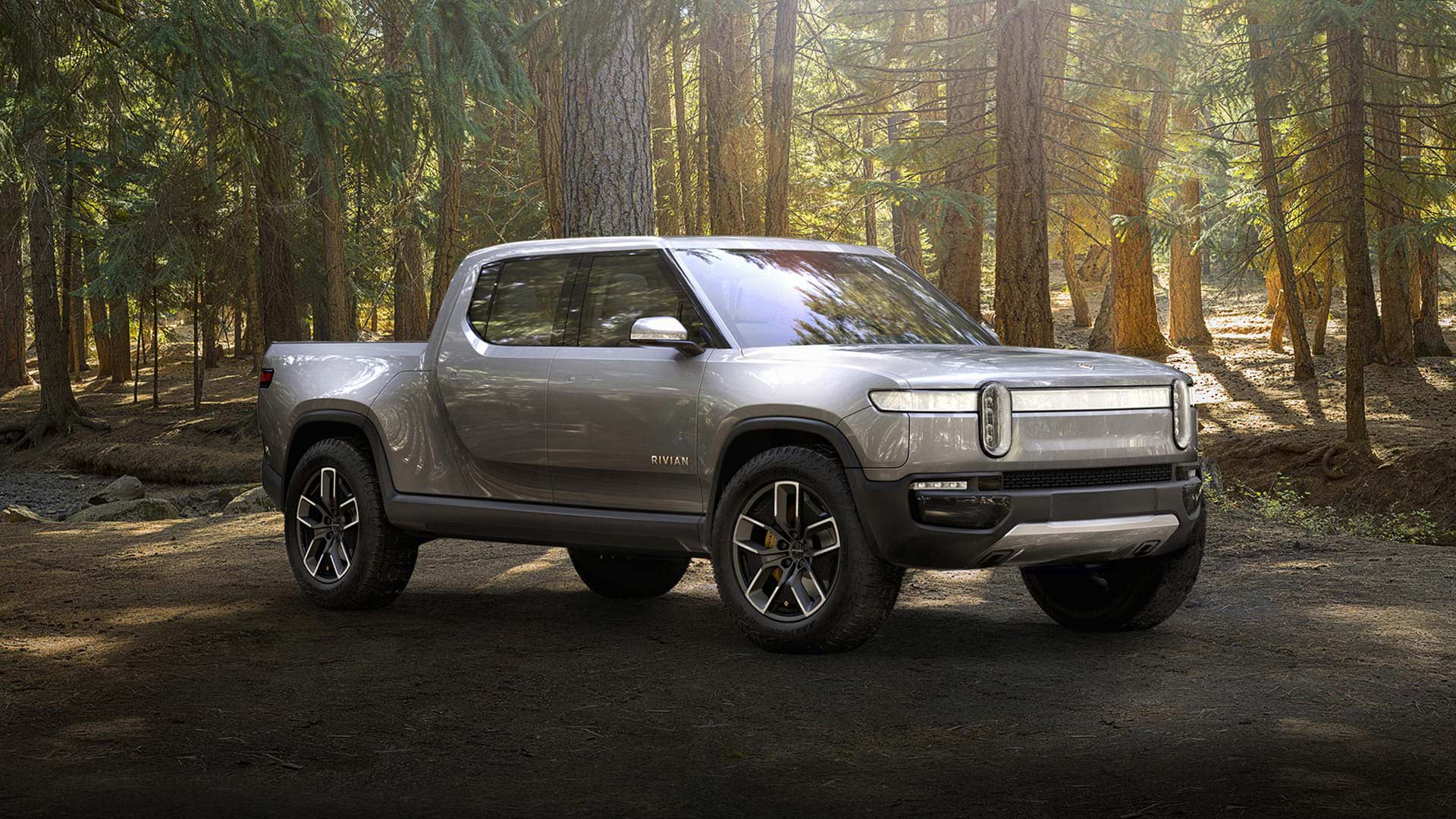
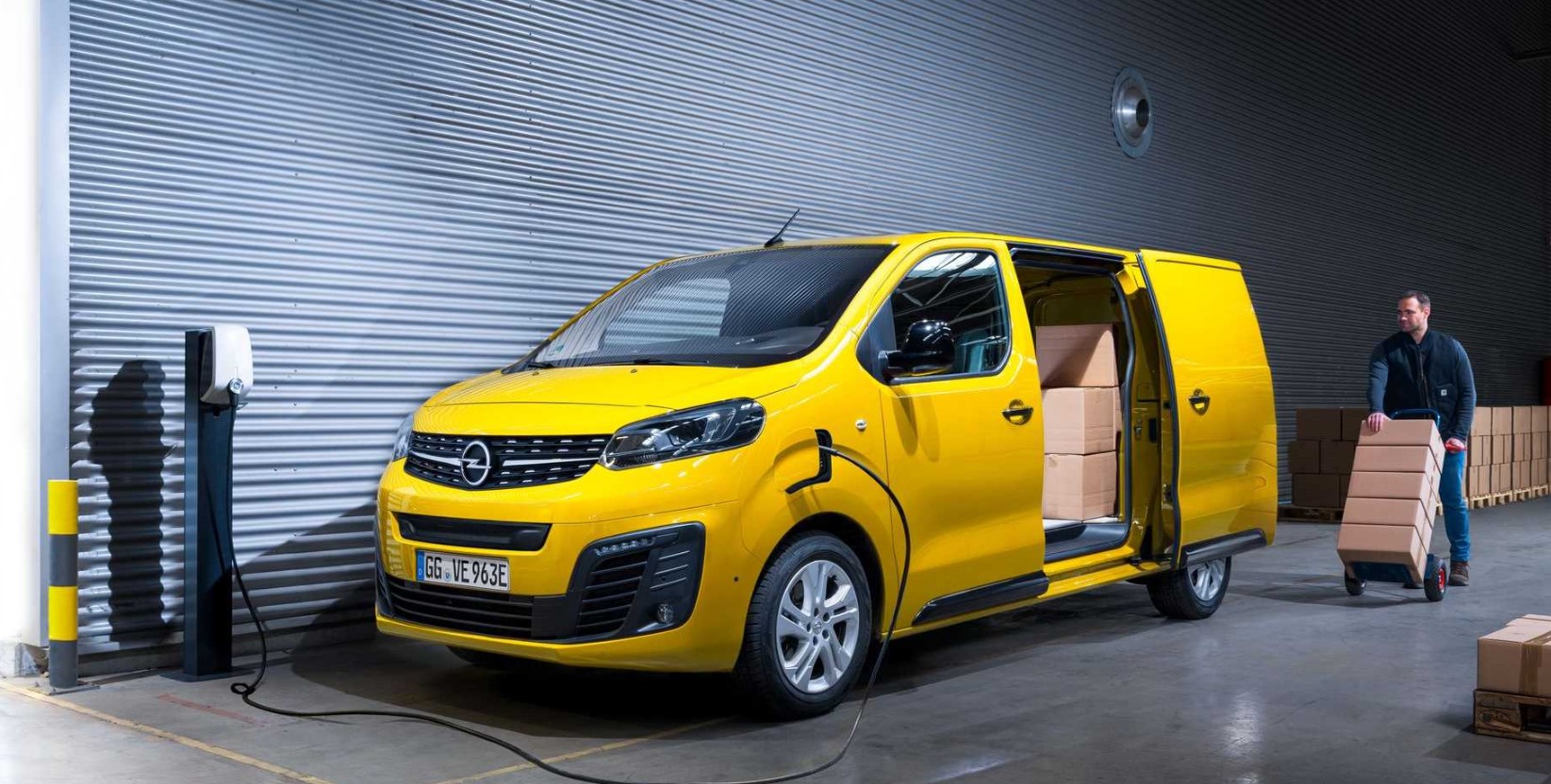
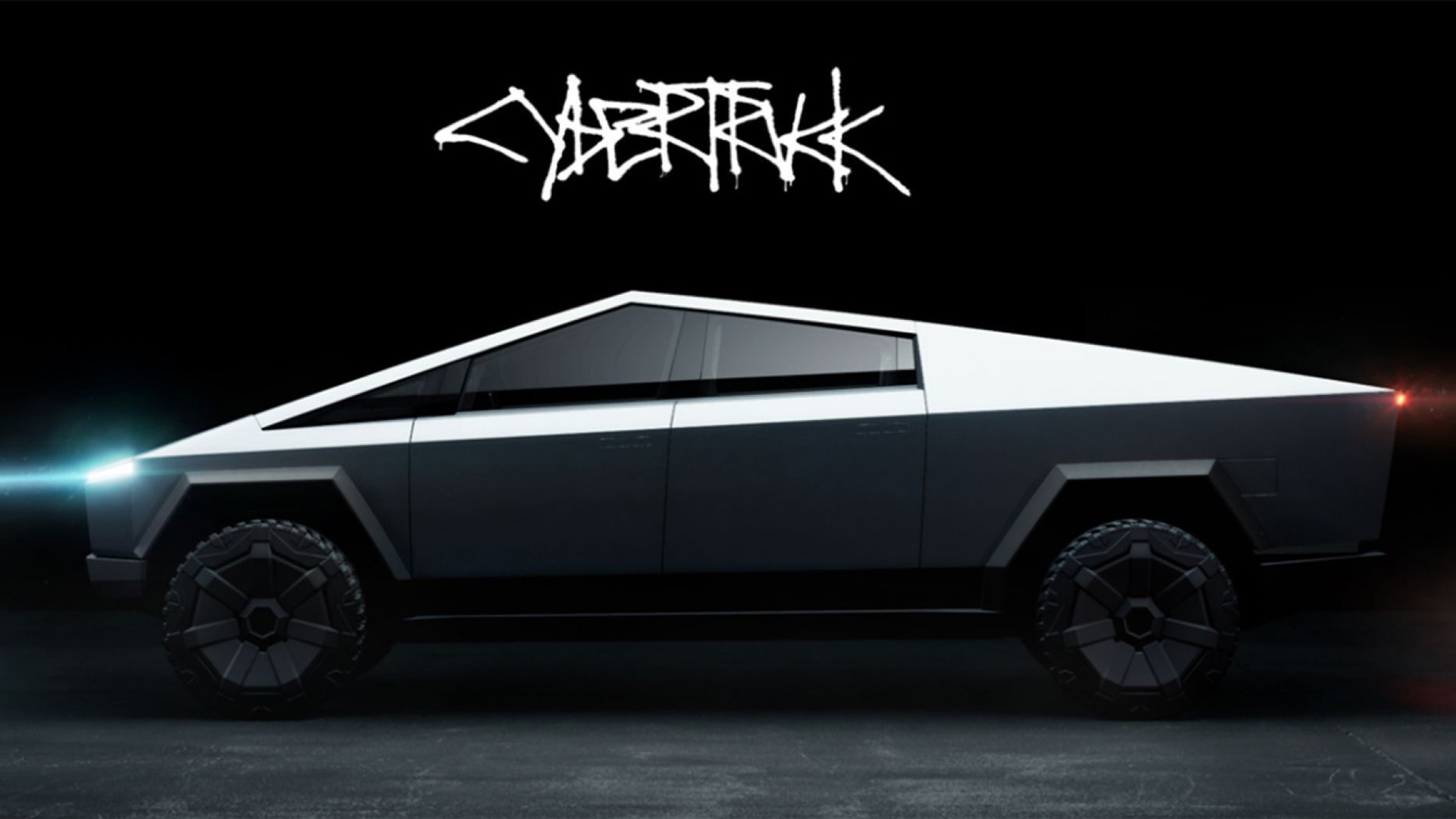
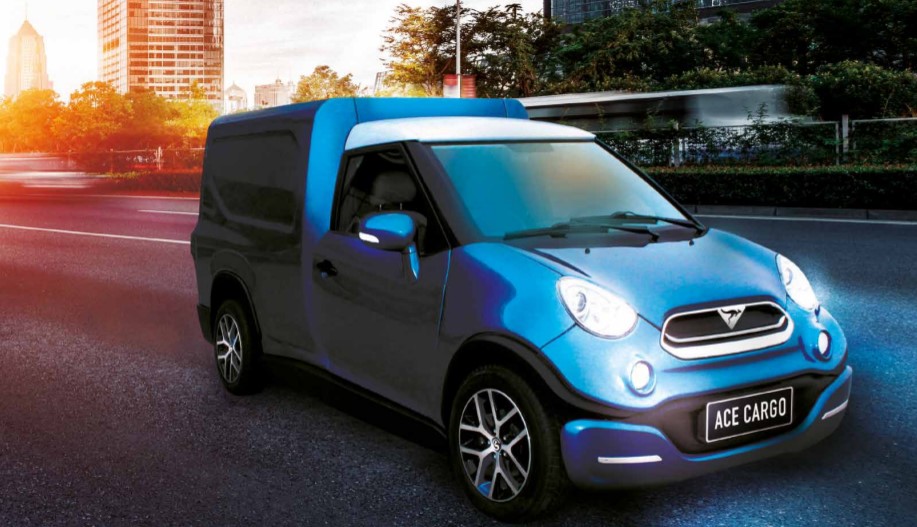
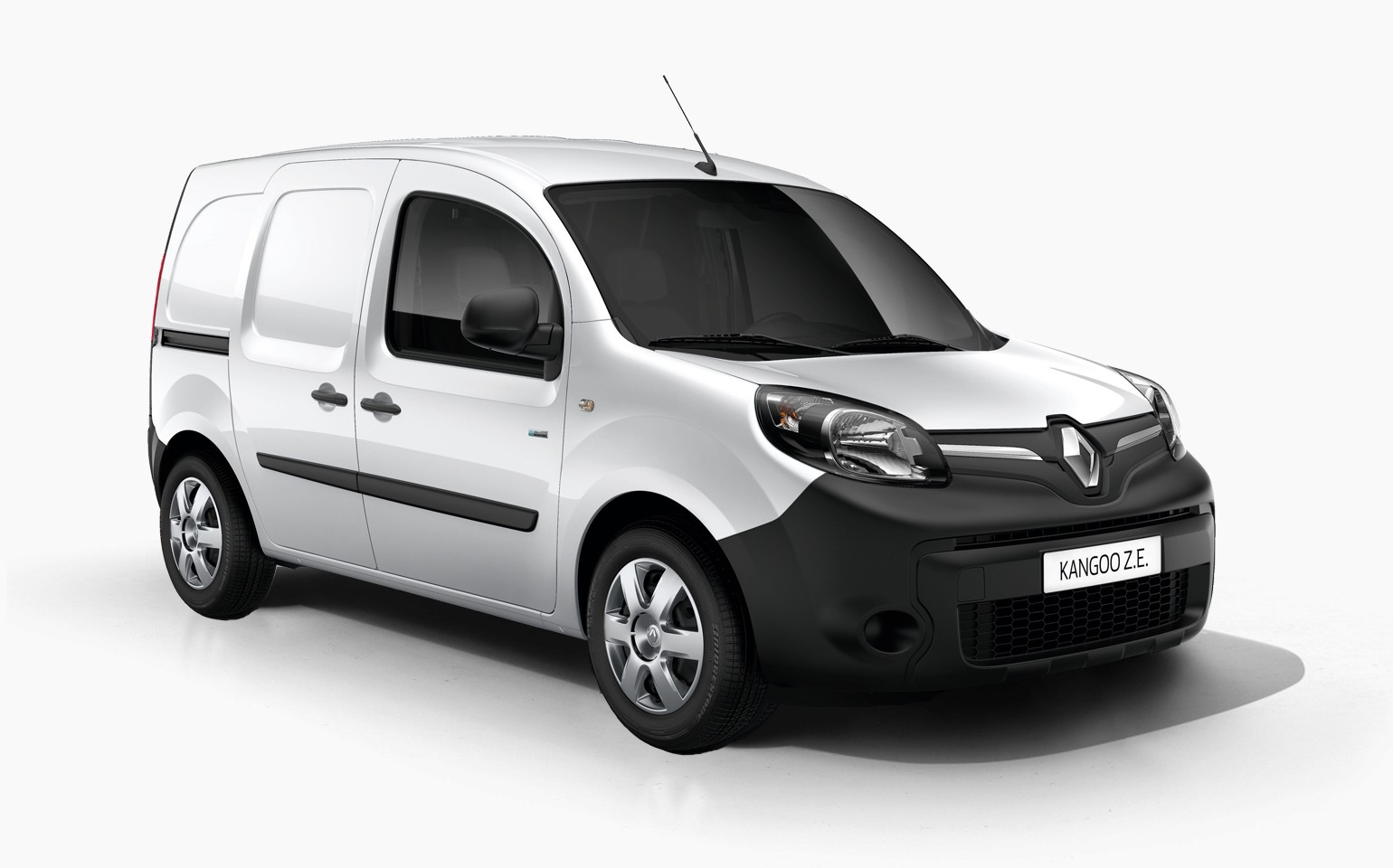
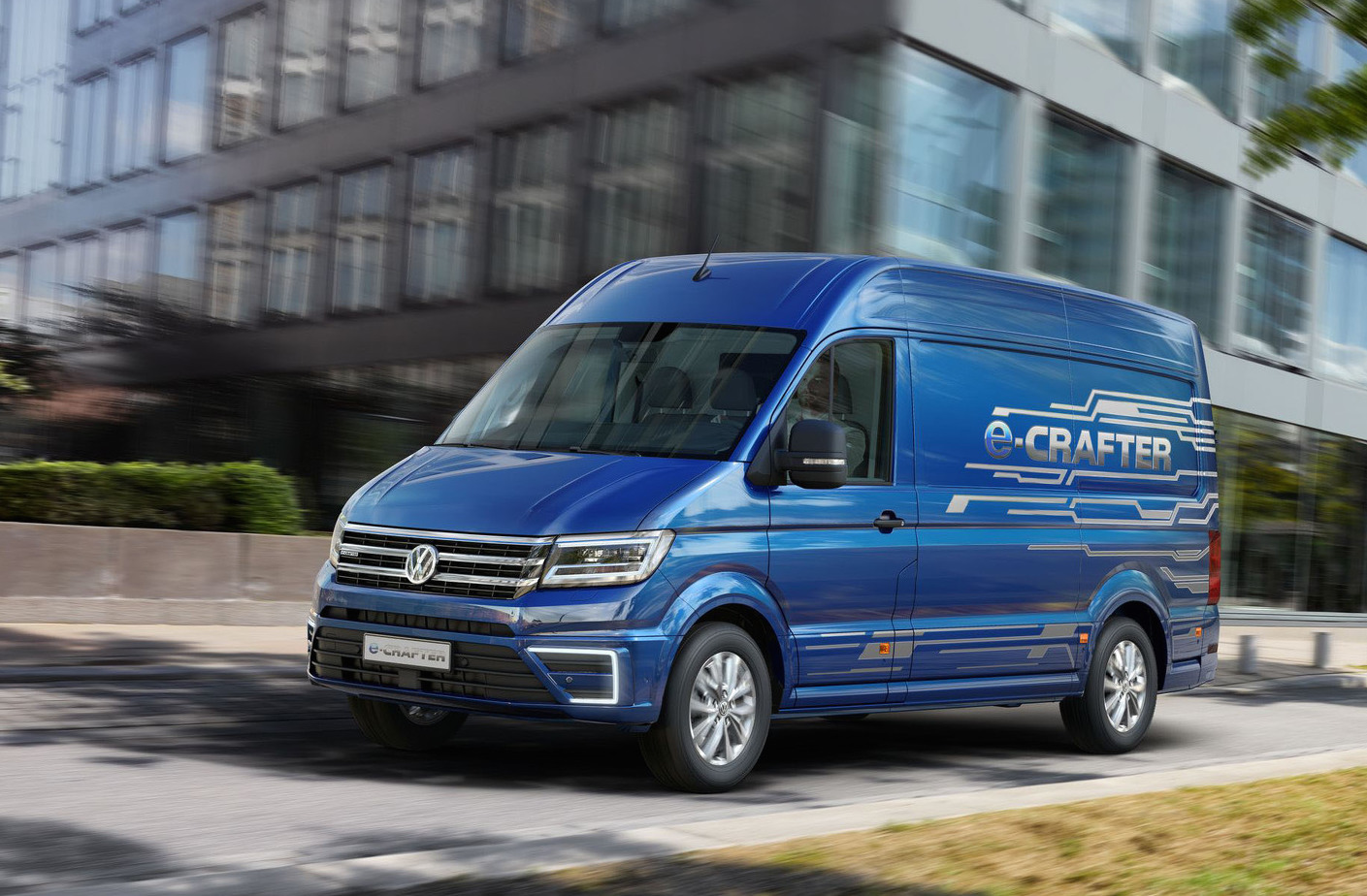
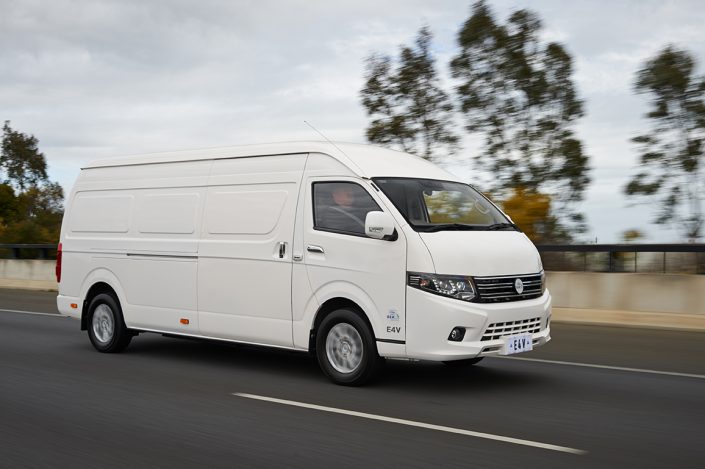
So what might we see regional service vehicles driving in the next decade? Tesla Cybertrucks, Rivian utes or a Ford Electric pick-up? For the likes of a delivery van or a service van, we will be seeing all-electric vans from Mercedes, Opel/Peugeot, Renault, Ace EV, SEA and VW, just to name a few on the horizon. Some however, are already available in Australia.
More on businesses and councils embracing EVs in the next blog.
 Rural Oz Electric Car Blog